- Season
- Early summer through autumn, depending on region and species, with dried specimens available year-round.
- Price
- High
- Nutrition per 100 g
- 30 kcal
- 3.1 g protein
- 0.2 g fat
- 2.4 g carbs
Porcini Mushrooms (Ceps)
Mushrooms
Porcini Mushrooms (Ceps)
The porcini mushroom refers primarily to Boletus edulis and a closely related complex of wild boletes prized across Europe and beyond for their dense flesh, noble aroma, and exceptional culinary versatility. Unlike cultivated mushrooms, porcini are mycorrhizal, forming symbiotic relationships with forest trees, a biological intimacy that renders them resistant to domestication and endows them with profound expressions of place.
In practice
How to store
- On the counter
Not recommended, as warmth accelerates spoilage and insect activity.
- In the fridge
Store unwashed in a paper bag in the fridge and use within two to three days, allowing excess moisture to escape.
- In the freezer
Best sautéed lightly before freezing; raw freezing degrades texture.
How to choose
Choose specimens with firm, heavy caps and stout, unblemished stems. The pore surface beneath the cap should be pale cream to light yellow, never olive or spongy. Aroma should be clean and nutty, free from sour or ammoniac notes, which signal age or improper handling.
What to swap in
Best swap
Dried porcini rehydrated in warm water, using the soaking liquid as a flavor base.
In a pinch
A blend of shiitake and cremini mushrooms, fortified with a small amount of mushroom powder.
Preparation
Brush gently to remove forest debris and wipe with a barely damp cloth. Avoid prolonged washing, as the porous flesh readily absorbs water. Slice according to use, reserving trimmings for stocks or powders.
Don't toss it
Dry stems and trimmings to grind into porcini powder, a potent seasoning that extends the mushroom’s presence far beyond the season.
In the kitchen
Cooking
Porcini reward restraint. They excel when sautéed quickly in butter or olive oil, allowing surface caramelization while preserving interior succulence. Drying concentrates their essence, making them indispensable in broths, sauces, and long-cooked dishes where their rehydrated flesh contributes both texture and depth.
Recipes with this ingredient
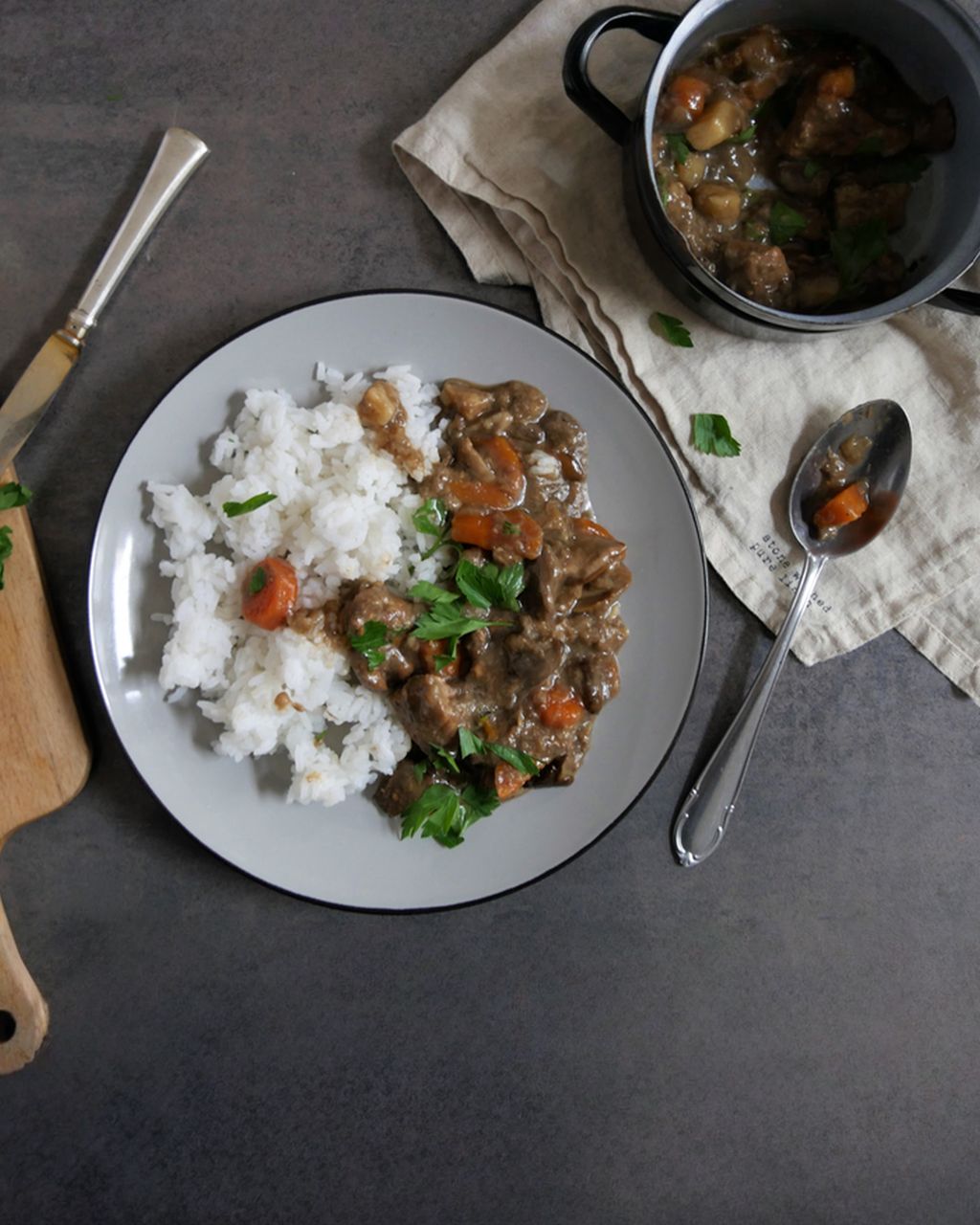
What it is
The porcini mushroom refers primarily to Boletus edulis and a closely related complex of wild boletes prized across Europe and beyond for their dense flesh, noble aroma, and exceptional culinary versatility. Unlike cultivated mushrooms, porcini are mycorrhizal, forming symbiotic relationships with forest trees, a biological intimacy that renders them resistant to domestication and endows them with profound expressions of place.
How it tastes
The attack is immediate and resonant, marked by a deep umami surge reminiscent of warm broth and toasted nuts. The mid-palate broadens into sweet woodland notes, evoking damp leaves, hazelnut skins, and a faint suggestion of cocoa. The finish is long and drying, with a dignified savoriness that lingers on the tongue and amplifies other ingredients rather than overwhelming them.
Did that help? We’ll send you more tips by email.
Seasonal baking plans, tested recipes and kitchen tricks that save you time. Unsubscribe in one click.
Common questions
Are porcini mushrooms safe to eat raw?
Why are porcini so expensive?
Deep dive
3 min read
Varieties
The name porcini encompasses a constellation of closely related boletes, each shaped by forest ecology and climate. Italian Porcini: Often considered canonical, these grow beneath chestnut, oak, and beech, harvested by hand in the Apennines and Alpine foothills. Their flesh is pale, compact, and sweetly aromatic, with a balance that has defined classical Italian cookery. French Cèpes: Particularly those from the Périgord and Auvergne, thrive in mixed deciduous forests; they tend to be slightly darker in cap, with a pronounced hazelnut note. Baltic and Nordic Porcini: Found under spruce and pine, these develop a firmer texture and cooler, resin-tinged aroma, reflecting northern terroir and shorter growing seasons. North American Kings: Collected in the Pacific Northwest under Douglas fir and hemlock, they are robust and boldly flavored, often larger than their European cousins. Harvesting remains a manual, almost ritual practice, undertaken at dawn to capture mushrooms at peak firmness before insects and heat diminish quality.
History
Porcini occupy a distinguished place in the culinary record. Ancient Era: The Romans prized wild mushrooms highly, and Nero reportedly called them 'food of the gods'; Pliny the Elder wrote of them with caution and awe, noting both their pleasures and perils. The Roman 'boletus' was most likely Caesar's mushroom, while porcini are thought to be among the fungi he called 'suilli'. Elite tables prized them as symbols of refinement, often prepared simply to showcase their natural savor. Medieval Period: During the Middle Ages, porcini moved along forest-to-market networks rather than formal trade routes, sold fresh in local markets or dried for monastic kitchens. Their association with foraging knowledge made them staples of rural diets, and in later centuries some Italian cities introduced official inspection of mushrooms sold at market to prevent poisoning. Modern Era: In the nineteenth and twentieth centuries, porcini became emblematic of regional cuisines, particularly in Italy and France, as rail transport allowed wider distribution of dried specimens. Today, they stand at the intersection of gastronomy and ecology, celebrated by chefs while reminding diners of the forest systems that sustain them.
Science
Porcini’s umami potency derives largely from free glutamic acid and nucleotides that intensify with drying. Their mycorrhizal nature means the fungus exchanges minerals and water with host trees in return for carbohydrates, a relationship that shapes both flavor and mineral content. Heat transforms their cellular structure, releasing aromatic compounds such as alcohols and ketones that suggest nuts and damp earth, while excessive moisture dilutes these effects.
Sourcing and ethics
Responsible porcini sourcing demands respect for forest ecosystems. Overharvesting, soil disturbance, and the use of rakes can damage mycelial networks. Ethical foragers pick carefully without raking or trampling the forest floor, leave immature specimens to mature, and adhere to local regulations. Supporting small-scale, traceable suppliers helps preserve both biodiversity and traditional foraging cultures.