- Season
- Year-round (peak summer through early fall)
- Price
- Low
- Nutrition per 100 g
- 40 kcal
- 1.9 g protein
- 0.4 g fat
- 8.8 g carbs
Mixed chilli peppers
Vegetables
Mixed chilli peppers
Mixed chili peppers encompass the diverse array of pungent fruits from the Capsicum genus, ranging from mild poblanos and Anaheims to fiery habaneros, Thai bird's eye, and ghost peppers. Whether fresh, dried, smoked, or ground, these peppers deliver a kaleidoscope of heat levels measured on the Scoville scale—from a gentle 500 SHU to over 1,000,000 SHU—and offer complex flavor profiles that span fruity, smoky, earthy, and citrus notes.
In practice
How to store
- On the counter
Fresh chilies keep 3-5 days at room temperature in a cool, dry spot away from direct sunlight. Dried whole chilies last 6-12 months in an airtight container in a dark pantry.
- In the fridge
Store fresh peppers unwashed in a paper bag or perforated plastic bag in the crisper drawer for up to 2 weeks. Once cut, wrap tightly and use within 3-4 days.
- In the freezer
Flash-freeze whole or sliced fresh peppers on a baking sheet, then transfer to airtight freezer bags for up to 12 months. Texture softens upon thawing, making them ideal for cooked applications rather than raw use.
How to choose
Choose fresh chili peppers with taut, glossy, unblemished skin and firm flesh that yields slightly to gentle pressure. Avoid peppers with wrinkles, soft spots, brown patches, or signs of mold near the stem. The stem should be green and fresh, not dried or blackened. For dried chilies, seek specimens that are pliable rather than brittle, with deep, uniform color and an aromatic, slightly fruity scent—avoid any with dusty residue or faded patches that indicate age or improper storage.
What to swap in
Best swap
Cayenne pepper or red pepper flakes provide reliable, clean heat that works across cuisines. For specific varieties, substitute within the same heat range: serrano for jalapeño, pasilla or mulato for ancho, or Thai bird's eye for African bird's eye.
In a pinch
A combination of sweet paprika plus a small amount of cayenne can approximate the color and moderate heat of many dried red chilies. For fresh applications, a dash of hot sauce mixed with diced bell pepper mimics both heat and texture.
Preparation
Wear gloves when handling hot varieties to prevent capsaicin burns. Remove stems and slice lengthwise to access the white pith, where capsaicin is concentrated, and the seeds that sit against it. For milder heat, remove seeds and membranes entirely. Toast dried chilies in a dry skillet until fragrant and pliable, then rehydrate in hot water for 15-20 minutes before blending into sauces. For fresh peppers, roasting over an open flame or under the oven grill blisters the skin for easy peeling and develops deeper, sweeter flavors.
Don't toss it
Save stems, seeds, and membranes to infuse into vinegars or homemade hot sauces; for chili oil, use dried scraps, or keep oil made with fresh chili in the fridge and use it within a few days. Dehydrate pepper scraps and grind into custom chili flakes. Freeze roasted pepper skins to add smoky depth to stocks and broths.
In the kitchen
Cooking
Chili peppers are culinary chameleons. Roast or char fresh peppers to develop caramelized sweetness and smoky depth—ideal for salsas, romesco, or stuffing. Sauté sliced peppers in oil to bloom their flavors as an aromatic base. Toast and rehydrate dried chilies for complex moles, adobos, and braises. Pickle fresh peppers for tangy, crunchy condiments. Smoke-dry ripe red jalapeños to create chipotles. Infuse vinegars, or oils made with dried chilies (keep fresh-chili oil refrigerated and use it within a few days), for finishing drizzles. Dry and grind into powders and flakes for seasoning blends. Simmer in curries, stir-fries, and stews where their heat mellows and integrates.
Recipes with this ingredient
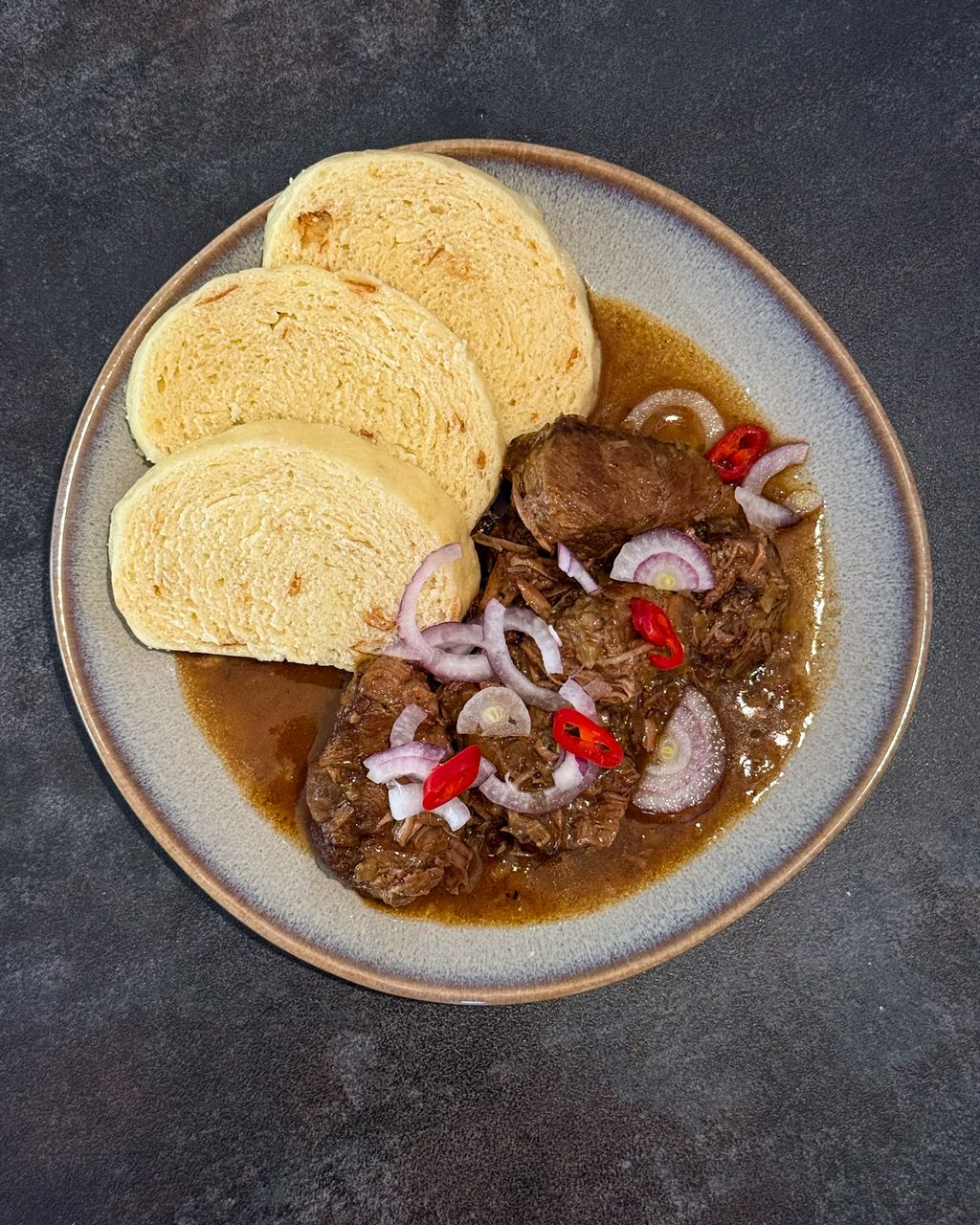
What it is
Mixed chili peppers encompass the diverse array of pungent fruits from the Capsicum genus, ranging from mild poblanos and Anaheims to fiery habaneros, Thai bird's eye, and ghost peppers. Whether fresh, dried, smoked, or ground, these peppers deliver a kaleidoscope of heat levels measured on the Scoville scale—from a gentle 500 SHU to over 1,000,000 SHU—and offer complex flavor profiles that span fruity, smoky, earthy, and citrus notes.
How it tastes
The flavor spectrum of mixed chili peppers is remarkably diverse. Milder varieties like Anaheim and poblano offer grassy, vegetal sweetness with subtle warmth, while mid-range peppers such as jalapeños and serranos deliver clean, sharp heat with bright acidity. Dried chilies like ancho and guajillo contribute deep, raisin-like sweetness with notes of tobacco and chocolate. At the extreme end, habaneros and Scotch bonnets punch with tropical fruit undertones—papaya, mango, and berry—beneath their searing heat, while chipotle peppers add layers of smoke, cocoa, and coffee complexity.
Did that help? We’ll send you more tips by email.
Seasonal baking plans, tested recipes and kitchen tricks that save you time. Unsubscribe in one click.
Common questions
How do I reduce the heat of chili peppers?
What is the Scoville scale?
Why does milk help with chili burn but water doesn't?
Can I freeze fresh chili peppers?
What nutrients do chili peppers contain?
Deep dive
4 min read
Varieties
The Capsicum genus comprises five domesticated species, each contributing distinct pepper personalities. Capsicum annuum—the most widespread—includes jalapeños, serranos, cayennes, poblanos, Anaheims, and the dried trinity of ancho, guajillo, and pasilla. Capsicum chinense delivers the superhot category: habaneros with their tropical perfume, Scotch bonnets beloved in Caribbean cuisine, and the infamous ghost pepper (Bhut Jolokia), which measures roughly 850,000 to just over 1,000,000 SHU. Capsicum frutescens offers Tabasco and malagueta peppers prized for sauces. Capsicum baccatum brings South American ají varieties—ají amarillo's fruity brightness and ají panca's berry-like depth. Finally, Capsicum pubescens produces the thick-fleshed rocoto with its distinctive black seeds, favored in Andean cooking. Within each species, colors range from green (unripe) through yellow, orange, red, and even purple or chocolate hues, each stage offering different heat levels and flavor nuances.
History
The chili pepper's journey from wild South American shrub to global pantry staple is one of humanity's great culinary odysseys. Archaeological remains from Guitarrero Cave in Peru and the Ocampo Caves in Mexico show that people were using chilies as long as 8,000–9,000 years ago, and microfossil evidence of domesticated chilies reaches back at least 6,000 years, making peppers among the earliest cultivated plants in the Americas. Capsicum annuum was domesticated in Mexico or northern Central America at least 6,000 years ago from the wild bird pepper (C. annuum var. glabriusculum). For millennia, chilies remained an exclusively New World ingredient—central to Aztec and Mayan cuisines, used as food, medicine, and tribute. Christopher Columbus's 1492 voyage changed everything: seeking black pepper, he encountered these "peppers" and carried them back to Spain. Within fifty years, Portuguese traders had spread chilies across Africa, India, and Southeast Asia, where they revolutionized local cuisines. Today, chilies are cultivated on every inhabited continent, with China, India, and Mexico leading global production—a testament to how thoroughly this American native has conquered the world's palates.
Science
The burning sensation of chili peppers is a masterpiece of chemical warfare evolved to deter mammalian predators while attracting birds (whose capsaicin receptors do not respond to capsaicin, so they eat the fruit and disperse the seeds unharmed). Capsaicin and related capsaicinoids bind to TRPV1 receptors—the same proteins that detect actual heat and pain—triggering the brain to perceive burning without any tissue damage. This explains why capsaicin "heat" feels thermal despite being purely chemical. The Scoville scale quantifies this pungency: originally measured by human taste panels diluting pepper extracts until heat was undetectable, modern high-performance liquid chromatography (HPLC) now provides precise capsaicinoid concentrations. Capsaicin is fat-soluble, not water-soluble—hence why milk, yogurt, or oil soothe the burn far better than water. Cooking transforms peppers: roasting caramelizes sugars and develops Maillard compounds, while drying concentrates flavors and can increase perceived sweetness. Capsaicin itself is remarkably heat-stable, surviving most cooking temperatures. Beyond flavor, capsaicin's antimicrobial properties may explain why chili-heavy cuisines evolved in tropical climates where food spoilage posed greater risks.
Sourcing and ethics
The global chili trade supports millions of smallholder farmers, particularly in India, China, Mexico, and sub-Saharan Africa. Sustainable sourcing initiatives increasingly emphasize fair wages, safe working conditions, and reduced pesticide use—critical given that hand-harvesting peppers exposes workers to capsaicin irritation and chemical residues. Look for Fairtrade or Rainforest Alliance certification, which cover labour and environmental standards, and the EU organic leaf, which certifies organic farming methods. Climate change poses growing threats to traditional growing regions, making diversified sourcing and support for heirloom varieties important for supply chain resilience. When possible, source from local farmers' markets during peak season or purchase from specialty importers committed to direct trade relationships with farming communities.