- Season
- Peak harvest from late summer through early autumn, with greenhouse availability year-round.
- Price
- Low
- Nutrition per 100 g
- 29 kcal
- 0.9 g protein
- 0.4 g fat
- 6.5 g carbs
Jalapeño
Vegetables
Jalapeño
The jalapeño is a cultivar of Capsicum annuum distinguished by its compact, bullet-shaped form, glossy epidermis, and a heat that rarely overwhelms. Traditionally harvested green but capable of full crimson maturity, it occupies a culinary middle ground between aromatic bell peppers and the fiercer chiles of the Capsicum genus.
In practice
How to store
- On the counter
Short-term holding of one to two days is acceptable in a cool, shaded place, though flavor and texture degrade quickly.
- In the fridge
Store unwashed in a perforated bag in the crisper drawer for up to two weeks, maintaining humidity without trapping condensation.
- In the freezer
Freeze whole or sliced after washing and drying. Texture softens upon thawing, but heat and aroma remain suitable for cooked applications.
How to choose
Choose jalapeños that are firm and heavy for their size, with taut, unwrinkled skin and a deep, even green or red hue. Fine corking, the pale striations that scar mature fruit, signals thicker flesh and often increased heat. Avoid peppers with soft spots or dull coloration, which indicate age or dehydration.
What to swap in
Best swap
Serrano chile, offering similar vegetal notes with noticeably higher heat.
In a pinch
Green bell pepper with a small addition of chili flakes to approximate warmth.
Preparation
Rinse and dry before use. Remove the stem end, then halve lengthwise if seed removal is desired. Heat concentrates in the white pith, where capsaicin is produced, and in the seeds that touch it; both may be scraped away for milder dishes or retained for fuller expression.
Don't toss it
Stems and trimmings can be infused into vinegar or salt to capture residual heat and aroma, extending the pepper’s utility beyond the flesh.
In the kitchen
Cooking
Jalapeños respond well to both raw and cooked preparations. Charring over open flame softens the flesh and introduces smoky bitterness, while pickling heightens acidity and preserves crunch. Slow cooking softens the flesh, spreads its heat through the dish, and amplifies sweetness, making the pepper suitable for stews, sauces, and braises.
Recipes with this ingredient
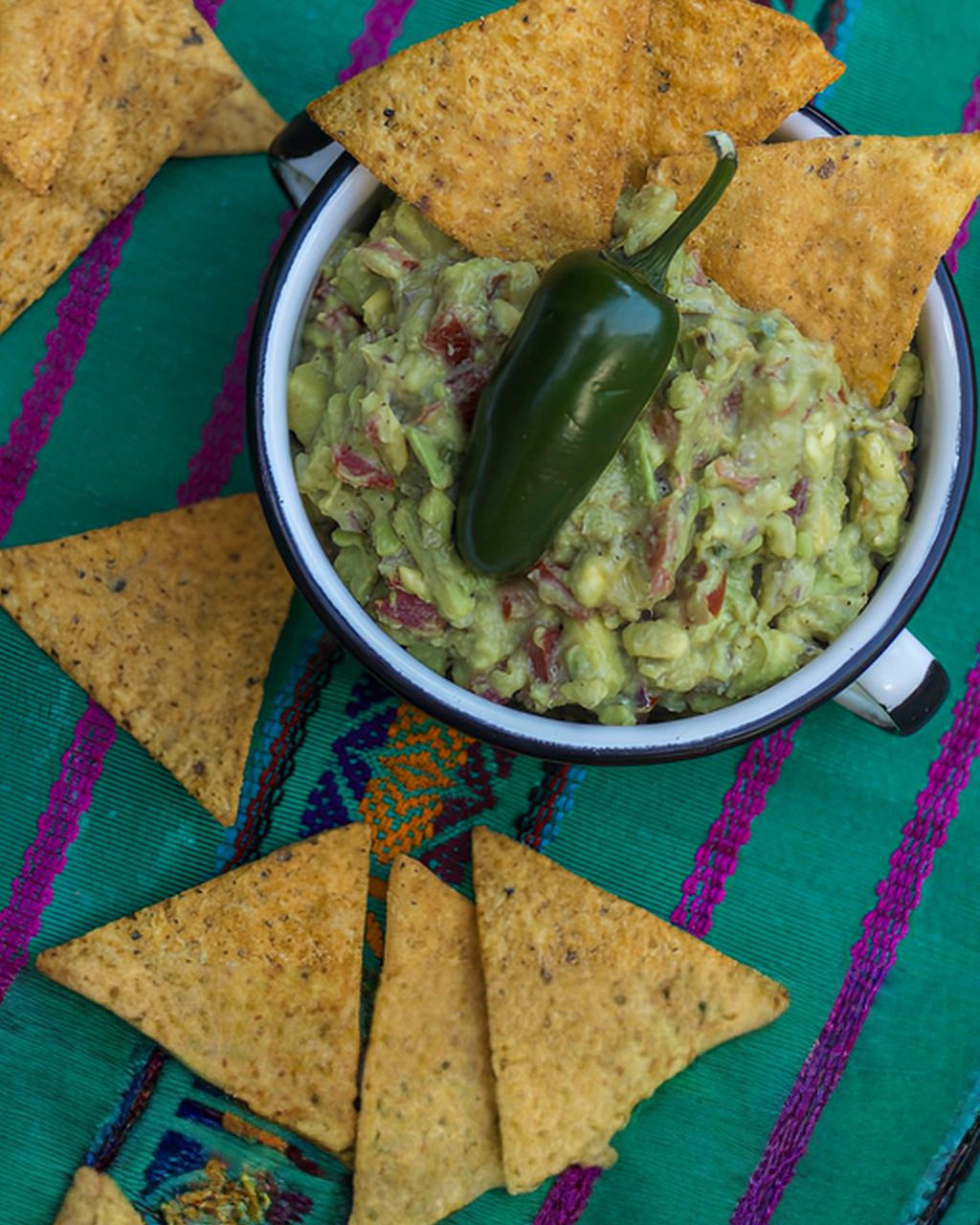
What it is
The jalapeño is a cultivar of Capsicum annuum distinguished by its compact, bullet-shaped form, glossy epidermis, and a heat that rarely overwhelms. Traditionally harvested green but capable of full crimson maturity, it occupies a culinary middle ground between aromatic bell peppers and the fiercer chiles of the Capsicum genus.
How it tastes
The attack is crisp and green, recalling freshly cut grass and underripe tomato, with an immediate but restrained capsaicin warmth. The mid-palate broadens into a fleshy sweetness, faintly bitter at the ribs where seeds cluster, carrying subtle mineral notes shaped by soil and irrigation. The finish is clean and persistent rather than aggressive, leaving a gentle warmth on the lips and a vegetal echo that invites repetition rather than caution.
Did that help? We’ll send you more tips by email.
Seasonal baking plans, tested recipes and kitchen tricks that save you time. Unsubscribe in one click.
Common questions
Are jalapeños always hot?
What makes a jalapeño turn red?
Deep dive
3 min read
Varieties
Though often treated as a single entity, the jalapeño expresses notable variation shaped by terroir and cultivation.
Mexican Jalapeño
Grown in the volcanic and alluvial soils of Veracruz and Chihuahua, these peppers develop thick walls and a pronounced green sweetness. Hand-harvested at full size but before reddening, they offer balanced heat and are prized for fresh salsas and escabeches.
Tex-Mex Jalapeño
Cultivated under intense sun with regulated irrigation, particularly in Texas, these peppers vary in heat with cultivar and water stress. Mechanical harvesting favors uniformity, and the flavor skews sharper, with a grassy bitterness that stands up to grilling.
Red Jalapeño
Allowed to ripen fully, the red form is softer and fruitier, with diminished vegetal notes and a rounder sweetness. Often dried and smoked to become chipotle, it reflects both patience in the field and an acceptance of lower yields in exchange for complexity.
History
The jalapeño’s story begins in ancient Mesoamerica, where Pre-Columbian cultures cultivated Capsicum annuum alongside maize and beans, recognizing not only its flavor but its preservative and medicinal qualities. Archaeological evidence suggests chiles were domesticated over 6,000 years ago, integrated into ritual, trade, and daily sustenance.
During the colonial period, following the Columbian Exchange that began in 1492, chiles traveled eastward with astonishing speed. Spanish chroniclers noted their adaptability, and while hotter varieties captured immediate attention, the jalapeño remained closely associated with the cuisines of New Spain. It circulated regionally through overland routes rather than global spice networks, retaining a strong geographic identity.
In the Modern era, the jalapeño became emblematic of Mexican and Mexican-American cooking. Industrial canning, pickling, and later global agriculture transformed it into one of the world’s most recognizable chiles. Yet even as it entered mass markets, artisanal cultivation persisted, preserving local strains and reinforcing its cultural roots.
Science
Capsaicin concentration in jalapeños typically ranges from 2,500 to 8,000 Scoville heat units, influenced by genetics, water stress, and ripeness. The compound binds to TRPV1 receptors, creating the sensation of heat without physical temperature change. Chlorophyll dominates in green fruit, while its fresh, grassy flavor comes largely from volatile compounds such as methoxypyrazines; as the pepper ripens, chlorophyll breaks down and carotenoids emerge, softening flavor and shifting color.
Sourcing and ethics
Large-scale jalapeño production often relies on intensive irrigation and migrant labor. Ethical sourcing prioritizes farms that implement water-efficient practices and fair labor standards. Heirloom and organic producers, though yielding smaller fruit, preserve genetic diversity and reduce chemical inputs, offering peppers with greater aromatic nuance and environmental accountability.