- Season
- Year-round
- Price
- Low
- Nutrition per 100 g
- 357 kcal
- 10.6 g protein
- 3.9 g fat
- 68 g carbs
Millet Flakes
Pantry staples
Millet Flakes
Millet flakes are the steamed and rolled form of hulled millet grains—most commonly proso millet in Europe, but also pearl or foxtail millet—processed much like oats to create thin, quick-cooking flakes. This transformation renders one of humanity's oldest cultivated cereals into a convenient modern pantry staple, ready for porridge, baking, or blending in minutes.
In practice
How to store
- On the counter
Keep in an airtight container in a cool, dry, dark place and use within 1–3 months of opening, before the best-before date; discard if they smell bitter or rancid.
- In the fridge
Store in an airtight container for up to 3 months; refrigeration extends freshness by slowing oil oxidation in the germ
- In the freezer
Freeze in a sealed bag or container for up to 6 months; thaw at room temperature or use directly from frozen in cooked applications
How to choose
Choose millet flakes that appear uniformly thin and pale golden to cream-colored, free of dark spots or off-odors. Opt for packages with clear production and expiration dates; freshness matters for optimal flavor. Whole millet flakes should have visible flake structure—avoid overly powdery products which indicate age or poor processing. If you prefer, choose organic (EU organic logo) and minimally processed varieties, ideally from sources that specify the millet type (proso, pearl, or foxtail).
What to swap in
Best swap
Rolled oats—nearly identical in texture, cooking time, and culinary applications, though only certified gluten-free oats are suitable for a strict gluten-free diet
In a pinch
Quinoa flakes or buckwheat flakes—both gluten-free with slightly different flavor profiles but similar quick-cooking convenience
Preparation
For porridge, combine 1 part millet flakes with 2-3 parts liquid (water, milk, or plant milk) and simmer for 3-5 minutes, stirring occasionally until creamy. For overnight preparation, soak flakes in liquid overnight in the refrigerator for a no-cook breakfast. In baking, use as a 1:1 volume substitute for rolled oats. Toast dry flakes in a skillet over medium heat for 2-3 minutes to intensify their nutty character before adding to recipes.
Don't toss it
Millet flakes that have lost their freshness (but do not smell bitter or rancid) can be ground into flour for thickening soups, coating proteins before pan-frying, or adding to homemade face masks. Blend leftover cooked millet porridge into smoothies, or spread it thin on a baking sheet and dehydrate into crispy snack chips seasoned with herbs and spices.
In the kitchen
Cooking
Millet flakes excel in quick-simmered porridge, overnight soaking preparations, and baked goods including muffins, cookies, granola bars, and pancakes. They blend seamlessly into smoothie bowls for added body. Toast them dry for granola or crispy toppings. Incorporate into energy balls with nut butter and dried fruit. Use as a binding agent in veggie burgers or meatballs. Add to bread doughs for texture, or sprinkle over casseroles as a crisp crust.
Goes well with
- Honey and maple syrup
- Warm spices: cinnamon, cardamom, nutmeg
- Fresh and dried fruits: bananas, berries, dates, raisins
- Nuts and seeds: almonds, walnuts, chia seeds, flaxseeds
- Coconut: milk, flakes, oil
- Yogurt and cultured dairy
- Dark chocolate and cacao
- Vanilla and almond extract
- Ghee and butter
- Jaggery and palm sugar
Recipes with this ingredient
What it is
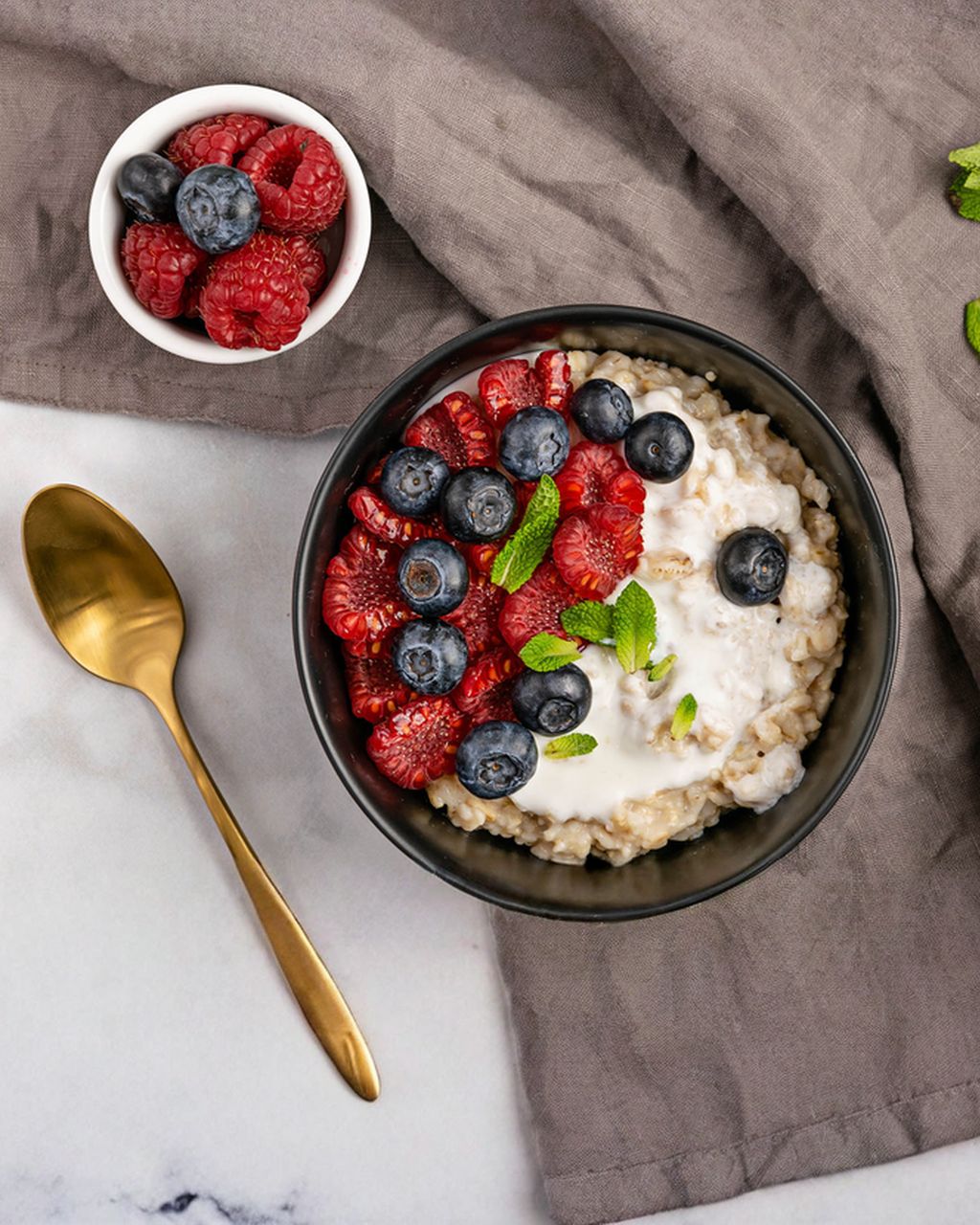
Millet flakes are the steamed and rolled form of hulled millet grains—most commonly proso millet in Europe, but also pearl or foxtail millet—processed much like oats to create thin, quick-cooking flakes. This transformation renders one of humanity's oldest cultivated cereals into a convenient modern pantry staple, ready for porridge, baking, or blending in minutes.
How it tastes
Millet flakes possess a gentle, mildly nutty flavor with faint grassy undertones and a subtle natural sweetness. When toasted, they develop warm, hay-like aromatics reminiscent of toasted rice. Their texture after cooking is softer and more delicate than rolled oats—creamy yet slightly grainy, with a pleasant chew that absorbs surrounding flavors beautifully.
Did that help? We’ll send you more tips by email.
Seasonal baking plans, tested recipes and kitchen tricks that save you time. Unsubscribe in one click.
Common questions
Are millet flakes gluten-free?
Can I substitute millet flakes for oats in recipes?
How do I cook millet flakes for breakfast porridge?
What is the nutritional difference between millet flakes and rolled oats?
Do millet flakes need to be soaked before cooking?
Why are millets considered sustainable?
Deep dive
4 min read
Varieties
Millet flakes are produced from several millet species, each contributing subtle distinctions. Proso millet flakes (Panicum miliaceum) are by far the most common in Europe, with a mild, slightly nutty flavor and a hint of corn-like sweetness, ideal for sweet applications. Pearl millet flakes (Pennisetum glaucum, now also classified as Cenchrus americanus) are more widespread in India and Africa. Foxtail millet flakes (Setaria italica) carry a slightly sweeter, more aromatic profile with delicate grassy notes. Little millet and finger millet (ragi) flakes appear in specialty markets, the latter distinguished by its darker color and earthy, slightly astringent taste. Multi-millet blends combine several varieties for a complex nutritional and flavor profile.
History
Millet stands among humanity's oldest cultivated grains, with archaeological evidence of cultivation in northern China dating back roughly 8,000–10,000 years. Before rice dominated Asian agriculture, millet sustained entire civilizations; it is mentioned in the Old Testament (Ezekiel 4:9) and ancient Indian scriptures including the Yajurveda. In medieval Europe, millet—especially proso—was an important porridge grain, particularly in Central and Eastern Europe, though rye, wheat, barley and oats were grown more widely. The transformation into flakes is a modern innovation, borrowing the rolling technology developed for oats in the 19th century. As the global food system consolidated around wheat, rice, and corn in the 20th century, millet became a minor crop in most of the world, though it remained a staple in parts of Africa and Asia and a traditional porridge grain in Central and Eastern Europe. The early 21st century has witnessed a renaissance, with millet celebrated as a "superfood" and the United Nations declaring 2023 the International Year of Millets—returning this ancient grain to contemporary breakfast tables in flaked form.
Science
The flaking process involves steaming whole millet grains to partially gelatinize their starches, then passing them through heavy rollers that flatten and rupture cell walls. This mechanical transformation dramatically increases surface area, reducing cooking time from 25-30 minutes (whole grain) to just 3-5 minutes. The partial gelatinization pre-converts some starch into more digestible forms while preserving the grain's fiber matrix. Millet starch granules are relatively small (4-12 micrometers) with moderate amylose content (20-30%), yielding a softer, creamier cooked texture than oats. Studies indicate that flaking alters the crystalline structure of millet starch and can increase in vitro protein and starch digestibility, particularly when the grain is sprouted before flaking.
Sourcing and ethics
Millet represents one of agriculture's most sustainable crops. It needs far less water than paddy rice—often cited as around a third or less, depending on species and climate—and thrives in poor, sandy soils where other cereals fail, making it a climate-resilient choice as water scarcity intensifies globally. Millet farming typically requires minimal chemical inputs; the crop's relative hardiness against pests and short growing cycle of roughly 60–100 days reduce the need for pesticides and synthetic fertilizers. Supporting millet production bolsters smallholder farmers across Africa and Asia, where the crop provides both food security and income. Look for organic certifications and fair-trade sourcing when available. The resurgence of millet consumption in Western markets creates economic opportunities for traditional growing regions while encouraging agricultural biodiversity against monoculture dominance.