- Season
- Year-round; peak popularity during holidays and festive occasions
- Price
- Medium
- Nutrition per 100 g
- 491 kcal
- 6 g protein
- 22 g fat
- 66 g carbs
Filled Cookies
Sweets
Filled Cookies
Filled cookies are a broad category of baked confections characterized by an outer shell of cookie dough encasing an interior filling. The filling can range from fruit jams and preserves to chocolate ganache, cream, nut pastes, or savory ingredients.
In practice
How to store
- On the counter
Store jam-, nut- or chocolate-filled cookies in an airtight container at room temperature for 3-5 days. Cookies with fresh cream, custard or cream-cheese fillings must be kept in the fridge. Separate layers with parchment paper to prevent sticking. Avoid humid environments which can cause fillings to weep and shells to soften.
- In the fridge
Refrigerate cookies with fresh cream, custard or cream-cheese fillings and eat them within 2-3 days. Bring to room temperature before serving for best texture. Fruit-filled varieties may become soggy with refrigeration.
- In the freezer
Freeze unfilled cookie shells for up to 3 months in airtight containers. Filled cookies can be frozen for 1-2 months; thaw in refrigerator overnight. Some fillings, particularly jam-based ones, freeze better than cream fillings.
How to choose
When purchasing commercial filled cookies, check the best-before date on the packaging and check that cookies appear intact without visible cracks that could indicate stale or dried-out filling. For homemade versions, select recipes that match your desired texture—shortbread-style doughs yield tender, crumbly results while egg-enriched doughs create sturdier shells. Choose fillings that complement the dough flavor: citrus and berry jams pair beautifully with vanilla doughs, while chocolate fillings shine against nutty or spiced bases.
What to swap in
Best swap
Thumbprint cookies with jam centers offer a similar fruit-and-dough experience with less complexity in preparation. For chocolate-filled varieties, chocolate lava cookies or molten chocolate cakes provide comparable textural contrast.
In a pinch
Spread jam or Nutella between two plain butter cookies for an instant sandwich cookie. Digestive biscuits with cream cheese or peanut butter filling can satisfy similar cravings in a pinch.
Preparation
For homemade filled cookies, chill both dough and filling before assembly to prevent spreading and leaking during baking. When stuffing cookies, use the envelope method: flatten dough, place chilled filling in center, fold edges over and seal completely, then roll into a smooth ball. Ensure uniform dough thickness (typically about 6 mm) for even baking. Bake at moderate temperatures (160-175 °C) to allow the exterior to set before the filling bursts through.
Don't toss it
Transform broken or imperfect filled cookies into a decadent crumb topping for ice cream, yogurt parfaits, or cheesecakes. Pulse in a food processor and store in the freezer for instant dessert garnishes. Cookie scraps from cutting shapes can be re-rolled once, or baked as-is for baker's treats.
In the kitchen
Cooking
Filled cookies are primarily baked, with technique varying by style. Enclosed filled cookies (like Fig Newtons) require the dough to be wrapped around the filling before baking. Sandwich cookies are baked as separate components and assembled after cooling. Thumbprint-style cookies are partially baked, indented, filled, then finished baking. For stuffed cookies, chilling the assembled dough before baking prevents filling from leaking. Baking at lower temperatures (around 160 °C) for longer periods allows even cooking without burst fillings.
Goes well with
- Vanilla
- Almond
- Cinnamon
- Orange zest
- Raspberry
- Fig
- Chocolate
- Cream cheese
- Poppy seeds
- Lemon
- Hazelnut
- Caramel
- Brown butter
Recipes with this ingredient
What it is
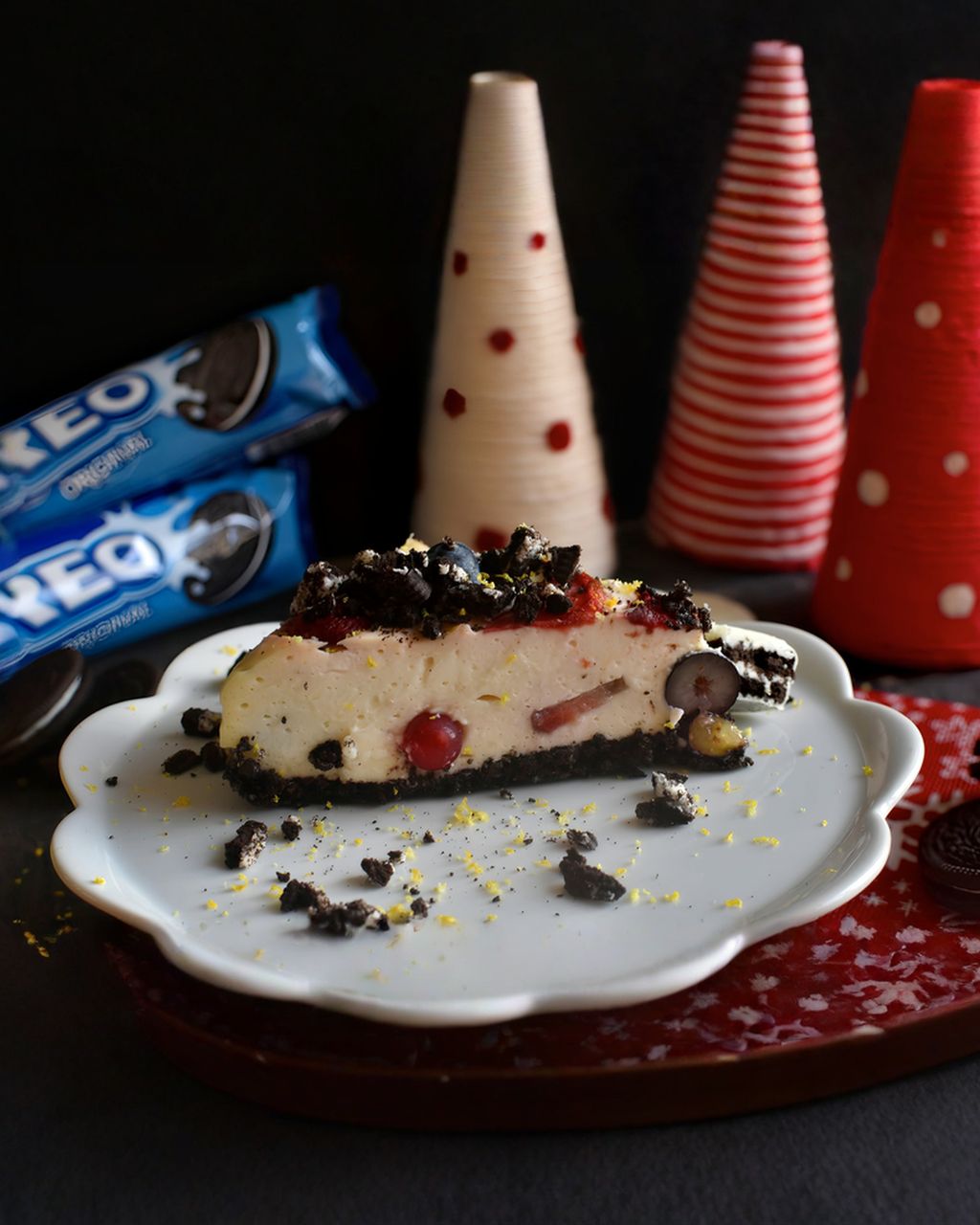
Filled cookies are a broad category of baked confections characterized by an outer shell of cookie dough encasing an interior filling. The filling can range from fruit jams and preserves to chocolate ganache, cream, nut pastes, or savory ingredients. This category encompasses iconic treats like Fig Newtons, Linzer cookies, hamantaschen, whoopie pies, and sandwich cookies with cream centers. The defining characteristic is the interplay between the tender or crisp exterior and the soft, flavorful filling within.
How it tastes
The flavor experience of filled cookies is a study in contrasts—a buttery, often vanilla-scented or spiced exterior yielding to a concentrated burst of filling. Fruit-filled varieties offer bright, tangy notes against the sweetness of the dough, while chocolate and cream fillings deliver rich, decadent depth. The texture ranges from crisp wafer shells with smooth cream to soft, cake-like exteriors with jammy centers. The best filled cookies achieve harmony between shell and filling, where neither overwhelms the other.
Did that help? We’ll send you more tips by email.
Seasonal baking plans, tested recipes and kitchen tricks that save you time. Unsubscribe in one click.
Common questions
How do I prevent the filling from leaking out of stuffed cookies?
Can I freeze filled cookies?
What's the best filling for homemade filled cookies?
How long do filled cookies stay fresh?
What's the difference between stuffed cookies and sandwich cookies?
Deep dive
5 min read
Varieties
The world of filled cookies spans continents and centuries. Linzer cookies, originating from Austria's Linz region, feature almond-enriched dough sandwiching raspberry jam, with decorative cutouts revealing the ruby filling beneath. Hamantaschen, the triangular Purim cookies of Jewish tradition, fold around poppy seed paste, prune lekvar, or modern fillings like chocolate and dulce de leche. Fig Newtons, invented in 1891 by the Kennedy Biscuit Works in Massachusetts, pioneered machine-extruded filled cookies with their iconic fig paste center. Italian cuccidati burst with fig, nut, and citrus fillings during Christmas. Alfajores from South America sandwich dulce de leche between tender cornstarch cookies. Whoopie pies, claimed by both Maine and Pennsylvania, encase marshmallow cream between chocolate cake-like rounds. Japanese manjū and daifuku enclose sweet bean paste in a soft wheat or rice-flour shell. Modern gourmet bakeries have expanded the genre with stuffed cookies featuring entire Oreos, peanut butter cups, or pools of Nutella within chocolate chip cookie dough.
History
Filled cookies have a long European lineage; in medieval Paris, street vendors known as oublieurs sold thin wafers to passersby. These early confections emerged from the broader cookie tradition, which is often traced to 7th-century Persia, one of the first regions to cultivate sugar; bakers are said to have used small cakes to test oven temperatures. As sugar and spices traveled along trade routes through the Muslim conquest of Spain and the Crusades, so too did sophisticated baking techniques. The Renaissance saw an explosion of cookie recipes in European cookbooks, with filled varieties gaining prominence as status symbols—the labor-intensive nature of encasing fillings demonstrated both skill and prosperity. The 1891 launch of the Fig Newton marked a pivotal moment: the Kennedy Biscuit Company acquired James Henry Mitchell's machine, which could extrude thick filling material and encase it in cookie dough, making filled cookies affordable for mass consumption. Named after the town of Newton, Massachusetts, these fig-filled treats became one of America's most beloved cookies. Cultural traditions worldwide developed their own filled cookie specialties: Jewish communities perfected hamantaschen for Purim celebrations, Austrian bakers refined the Linzer cookie from the famous Linzer torte, and Italian families passed down recipes for fig-stuffed cuccidati through generations.
Science
The science of filled cookies presents unique challenges that distinguish them from their unfilled counterparts. The Maillard reaction—the complex browning process between amino acids and reducing sugars—must be carefully managed to achieve golden exteriors without over-baking. Meanwhile, the filling creates a moisture gradient that affects dough texture from the inside out. Sugar in the filling competes with the dough for available water, potentially creating a barrier that keeps the center soft while the exterior crisps. Temperature management is critical: as butter melts during baking, it causes initial spreading, while proteins from eggs and flour begin to set, creating structure. The enclosed filling heats more slowly than the surrounding dough, but as its moisture turns to steam it builds pressure that can cause bursting if the cookie is not properly vented or if the dough seal is compromised. Professional bakers address this by chilling assembled cookies to firm the butter and filling before baking, using dough of adequate thickness (typically at least 6 mm), and baking at moderate temperatures to allow gradual heat penetration. The water activity of fillings also determines shelf stability—jam fillings with high sugar content resist microbial growth, while cream fillings require refrigeration.
Sourcing and ethics
Conscientious consumers should consider the sourcing of key ingredients in filled cookies. Palm oil, common in commercial cookie fillings and doughs, has significant environmental implications when not sustainably sourced—look for RSPO-certified products. Chocolate fillings raise questions about cocoa sourcing; Fair Trade and Rainforest Alliance certifications help ensure ethical labor practices. For fruit-filled varieties, organic and locally-sourced preserves reduce pesticide use and transportation impacts. Vanilla, a common flavoring, faces sustainability challenges—pure vanilla from Madagascar supports local farmers, but its supply and price are volatile because of cyclones, theft and market speculation. Home bakers can make meaningful choices by selecting butter from pasture-raised cows, using organic flour, and sourcing chocolate from bean-to-bar makers with transparent supply chains.