- Season
- Year-round
- Price
- Medium
- Nutrition per 100 g
- 293 kcal
- 5.5 g protein
- 6 g fat
- 54 g carbs
Caramel Spread
Jams, honey and syrups
Caramel Spread
Caramel spread is a thick, velvety confection made by slowly cooking sugar—often combined with butter, cream, or milk—until it transforms into a rich, golden-brown paste. Distinguished from caramel sauce by its denser, more spreadable consistency, it bridges the gap between pourable caramel and firm caramel candies.
In practice
How to store
- On the counter
Unopened jars keep until the best-before date in a cool, dark cupboard. Once opened, keep the jar in the refrigerator.
- In the fridge
Refrigerate opened jars and use them within the time given on the label, usually 3–4 weeks. Homemade caramel spread keeps about 2 weeks. The spread will firm considerably; allow to come to room temperature for 15-20 minutes before use, or gently warm in a water bath.
- In the freezer
Freeze in airtight containers for up to 3 months. Thaw overnight in the refrigerator and stir well to restore smooth consistency. Avoid repeated freeze-thaw cycles.
How to choose
Seek out caramel spreads with short, recognizable ingredient lists—sugar, cream, butter, and salt should dominate. Premium versions will list butter before vegetable oils and avoid glucose or glucose-fructose syrup as the primary sweetener. Color indicates cooking depth: pale golden spreads offer milder, milkier notes, while deep amber versions deliver more pronounced toffee and toasted flavors. For dulce de leche styles, look for products made with whole milk rather than reconstituted milk powder. Texture should be smooth and glossy, not grainy or separated.
What to swap in
Best swap
Dulce de leche offers the closest match in both texture and flavor profile, with its slow-cooked milk caramel character. For a homemade option, pour sweetened condensed milk into a heatproof jar, cover it and cook it in a simmering water bath for 2–3 hours, topping up the water, until deeply golden.
In a pinch
Butterscotch sauce thickened with additional butter, or a mixture of brown sugar and softened butter blended with a touch of cream, can approximate the flavor in recipes. Date caramel (blended Medjool dates with coconut cream) serves as a whole-food alternative.
Preparation
For spreading, bring refrigerated caramel to room temperature or microwave in 10-second bursts, stirring between intervals, until pliable. To drizzle, thin with a splash of warm cream and whisk until fluid. For baking applications, measure by weight for accuracy as density varies between brands. When incorporating into batters, temper with a small amount of the wet ingredients first to prevent seizing.
Don't toss it
Rescue crystallized or hardened caramel spread by adding a tablespoon of cream and gently heating while stirring. Use the last stubborn remnants in the jar by adding hot coffee or milk, swirling to create an instant caramel latte. Scrape residual spread into brownie or cookie batters for hidden pockets of sweetness.
In the kitchen
Cooking
Caramel spread excels as a finishing element: swirl into brownies before baking, layer between cake tiers, or pipe into cupcake centers. Thin for drizzling over ice cream, pancakes, or French toast. Incorporate into buttercream frostings for depth, or fold into cheesecake batters for marbled effect. In savory applications, use sparingly in glazes for roasted pork or to balance acidic barbecue sauces. The spread also shines in no-bake applications such as tart fillings, parfait layers, and as a binding agent in popcorn or puffed-rice bars.
Goes well with
- Apples
- Bananas
- Dark chocolate
- Sea salt
- Espresso
- Vanilla
- Cinnamon
- Pecans
- Walnuts
- Pears
- Brown butter
- Cream cheese
- Bourbon
- Coconut
- Ginger
Recipes with this ingredient
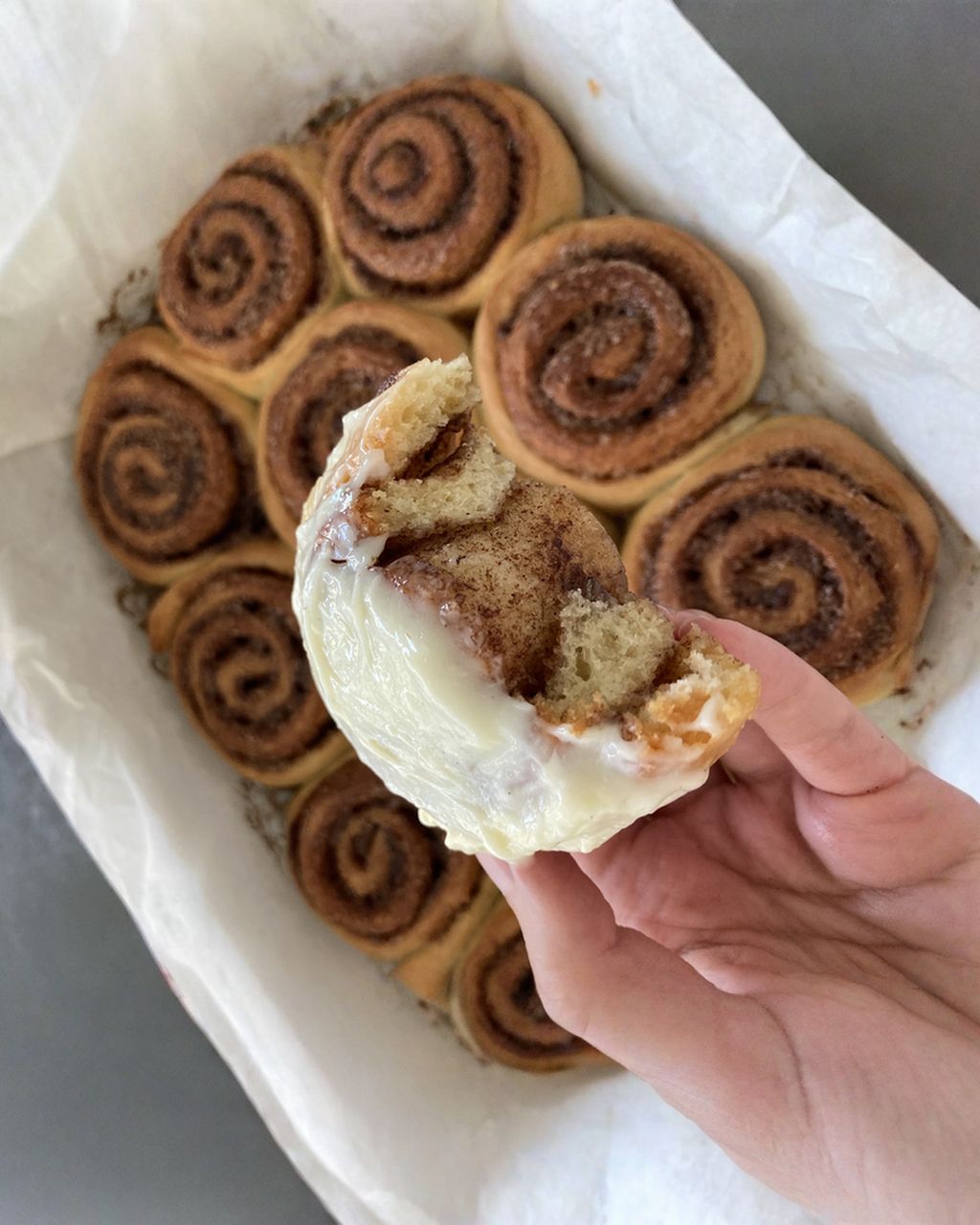
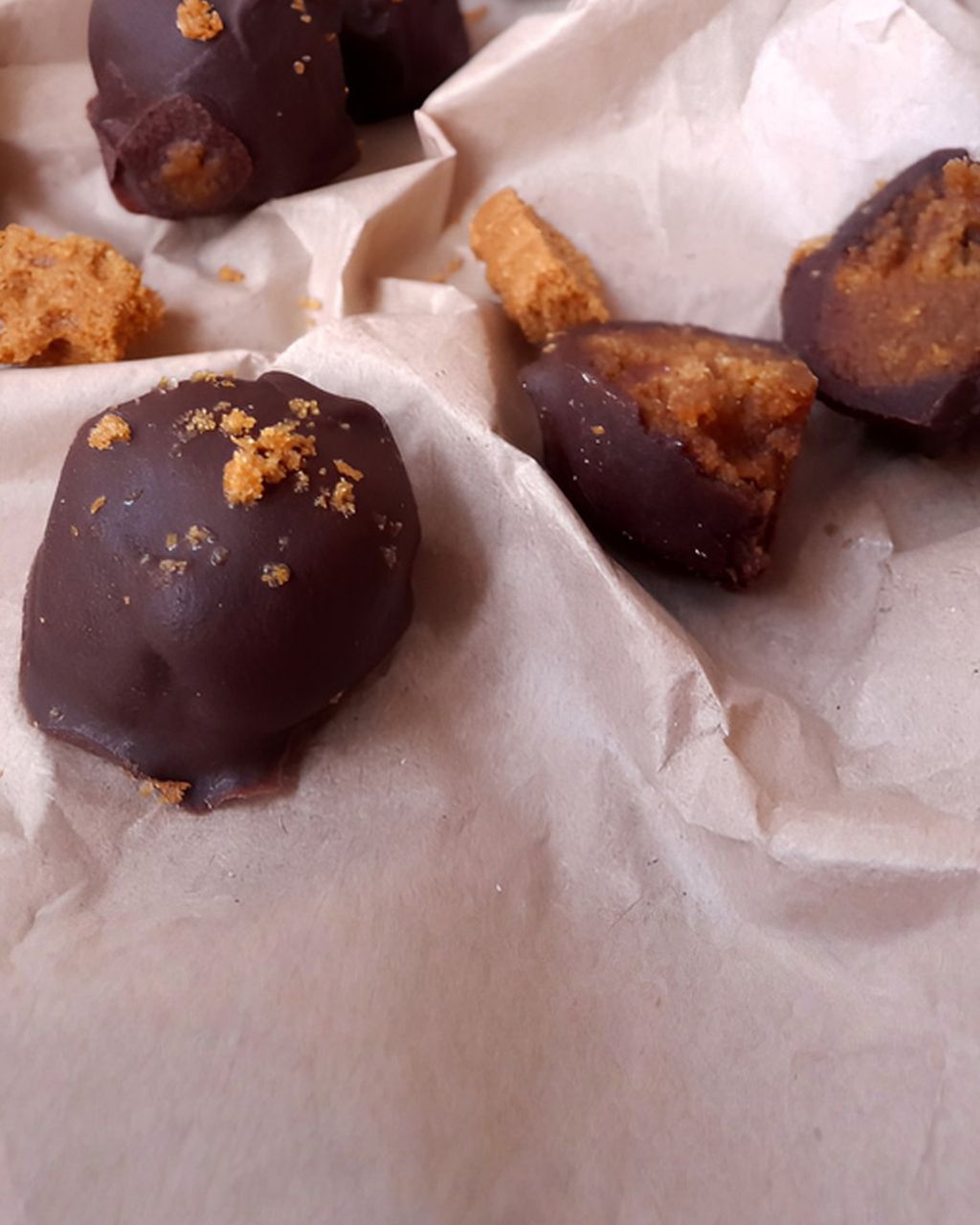
What it is
Caramel spread is a thick, velvety confection made by slowly cooking sugar—often combined with butter, cream, or milk—until it transforms into a rich, golden-brown paste. Distinguished from caramel sauce by its denser, more spreadable consistency, it bridges the gap between pourable caramel and firm caramel candies. The category encompasses both classic European-style caramel spreads and Latin American dulce de leche, each offering subtle variations in texture and depth of flavor.
How it tastes
The hallmark of caramel spread is its deeply complex sweetness, layered with notes of toffee, toasted butter, and a whisper of bittersweet warmth from the caramelization process. The dairy components contribute a rounded, creamy mouthfeel that tempers the sugar's intensity, while subtle undertones of vanilla, molasses, and even faint nuttiness emerge depending on the cooking method. Salted versions add a mineral counterpoint that heightens the perception of sweetness and adds addictive depth.
Did that help? We’ll send you more tips by email.
Seasonal baking plans, tested recipes and kitchen tricks that save you time. Unsubscribe in one click.
Common questions
What is the difference between caramel spread and dulce de leche?
Does caramel spread need to be refrigerated after opening?
Can I substitute caramel spread for caramel sauce in recipes?
Is caramel spread gluten-free?
How can I make caramel spread at home?
Deep dive
4 min read
Varieties
The caramel spread family encompasses several distinct traditions. Classic European caramel spread features a balanced butter-cream-sugar composition with a smooth, spreadable texture; the French confiture de lait, by contrast, is a slow-cooked milk jam close to dulce de leche. Argentine and Uruguayan dulce de leche—literally "sweet of milk"—achieves its character through the prolonged reduction of sweetened milk, yielding a denser, more intensely dairy-forward product. Mexican cajeta substitutes goat's milk for cow's, introducing a tangy, slightly gamey complexity. Salted caramel spreads, popularized in Brittany and now ubiquitous, incorporate fleur de sel or sea salt to counterbalance sweetness. Modern iterations include bourbon-infused, espresso-laced, and chocolate-swirled versions, while plant-based alternatives employ coconut cream or oat milk as dairy substitutes.
History
The story of caramel spread weaves through centuries and continents. Cooking sugar until it browns is a long-established technique, though the chemistry of caramelization was only studied from the 19th century onward. The spreadable confection we know today emerged from multiple traditions. Slowly reduced milk-and-sugar sweets were known in Spain and in colonial Latin America, and similar preparations such as the French confiture de lait exist elsewhere; the exact origin of dulce de leche remains disputed. The most romantic origin tale places dulce de leche's birth in Argentina in 1829, when a servant preparing "lechada" (sweetened milk) for General Juan Manuel de Rosas accidentally left it simmering while alerting guards to an unexpected visitor. She returned to find the milk transformed into a thick, golden spread. Whether apocryphal or not, the story captures how this humble accident became a national treasure. In France, the Breton tradition of salted butter caramel evolved into spreadable forms, while industrial confectionery in the 20th century democratized caramel spreads worldwide, making them pantry staples from Buenos Aires to Brussels.
Science
Caramel spread is a masterwork of controlled chemical chaos. Two distinct but sometimes overlapping reactions create its character. Caramelization proper begins when sucrose reaches approximately 160 °C, triggering pyrolysis—the thermal decomposition of sugar molecules. This cascade produces over 100 compounds, including caramelan, caramelen, and caramelin (the large brown polymers responsible for color and body), alongside volatile aromatics like furans (nutty notes), maltol (toasty warmth), diacetyl (buttery richness), and ethyl acetate (fruity undertones). When dairy enters the equation, the Maillard reaction joins the performance: amino acids from milk proteins react with reducing sugars even at the roughly 100 °C of simmering milk, generating melanoidins and additional flavor compounds—which is why dulce de leche browns without reaching caramelization temperatures. The interplay between these reactions—their timing, temperature, and duration—determines whether a caramel reads as light and milky or deep and bittersweet. Water content governs texture: higher moisture yields pourable sauces, while cooking down to a lower water content (roughly 25–30% for dulce de leche) produces the firm yet spreadable consistency. Fat from butter and cream creates emulsion stability and the characteristic silky mouthfeel, while salt amplifies sweetness perception and suppresses bitter notes from over-caramelization.
Sourcing and ethics
Caramel spread production intersects several sustainability considerations. Sugar sourcing remains paramount—look for cane sugar certified by Bonsucro or Fairtrade, which address labour practices and environmental impact in sugarcane cultivation. Dairy components raise questions of animal welfare and carbon footprint; brands increasingly highlight grass-fed butter and milk from farms with recognised animal-welfare or organic (EU organic leaf) certification. The industry trend toward sustainable sourcing reflects consumer demand for transparency, with leading manufacturers committing to reduced carbon footprints and eco-friendly packaging. Plant-based caramel spreads using coconut or oat milk offer lower environmental impact alternatives, though palm oil in some formulations presents deforestation concerns—seek RSPO-certified products when applicable. Artisanal and small-batch producers often maintain closer relationships with ingredient suppliers, providing greater traceability.