Honey vs. invert sugar: what they have in common and when to use which

You've probably noticed that gingerbread or honey cake stays soft far longer than a plain Bundt cake. Honey deserves much of the credit, since it naturally binds moisture.

Liquid invert sugar works on a similar principle to honey — it helps hold on to moisture and keeps baked goods soft for longer. The difference is that it's flavour-neutral, so it won't change the taste or colour of your bake.

That makes it perfect for macarons, sponges or ice cream, but you can just as easily stir a small amount into gingerbread or honey cake too. Honey brings the signature flavour, while invert sugar boosts the softness.
One jar you'll actually use up

You might be wondering whether invert sugar is just another ingredient that'll sit forgotten in your pantry after one recipe. In reality, you'll reach for it more often than you'd expect.

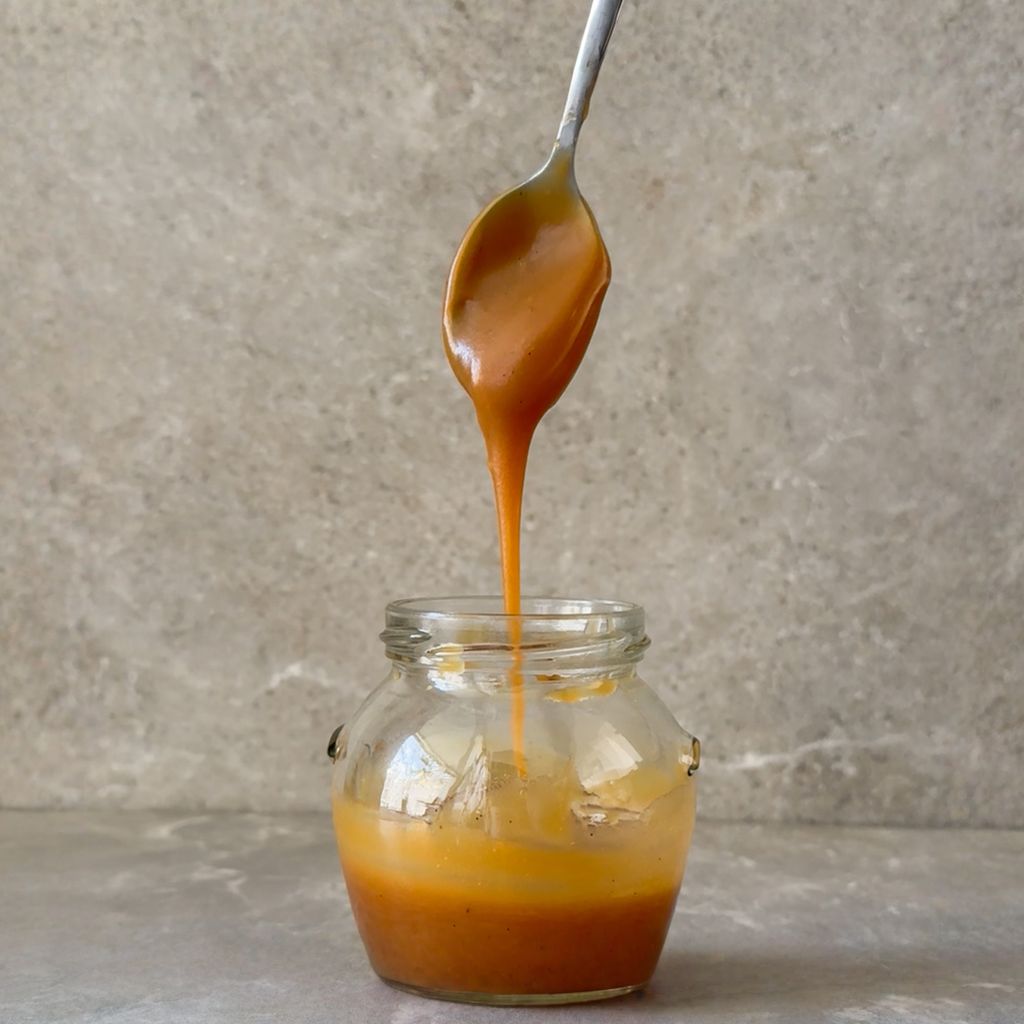
My favourite way to use it is in caramel sauce. Thanks to invert sugar, it stays beautifully smooth even after a few days in the fridge, doesn't turn grainy, and I don't need to reheat it every single time. That means it's always ready to go for pancakes, ice cream or desserts — one of those small tricks that genuinely makes life in the kitchen easier.

And when Christmas rolls around, try it in gingerbread cookies or honey cake too. It helps them stay soft and tender for even longer.

Sweeter than sugar, so you need less of it

Invert syrup is roughly 20% sweeter than regular sugar, so you typically need less of it when baking. If a recipe calls for 100 g of sugar, around 80 g of invert syrup is often enough (depending on the recipe).

Another perk: it's liquid. No waiting around for it to dissolve — just stir it straight into your batter, cream, or ice cream base.

When to add invert syrup

It depends on what you're making.

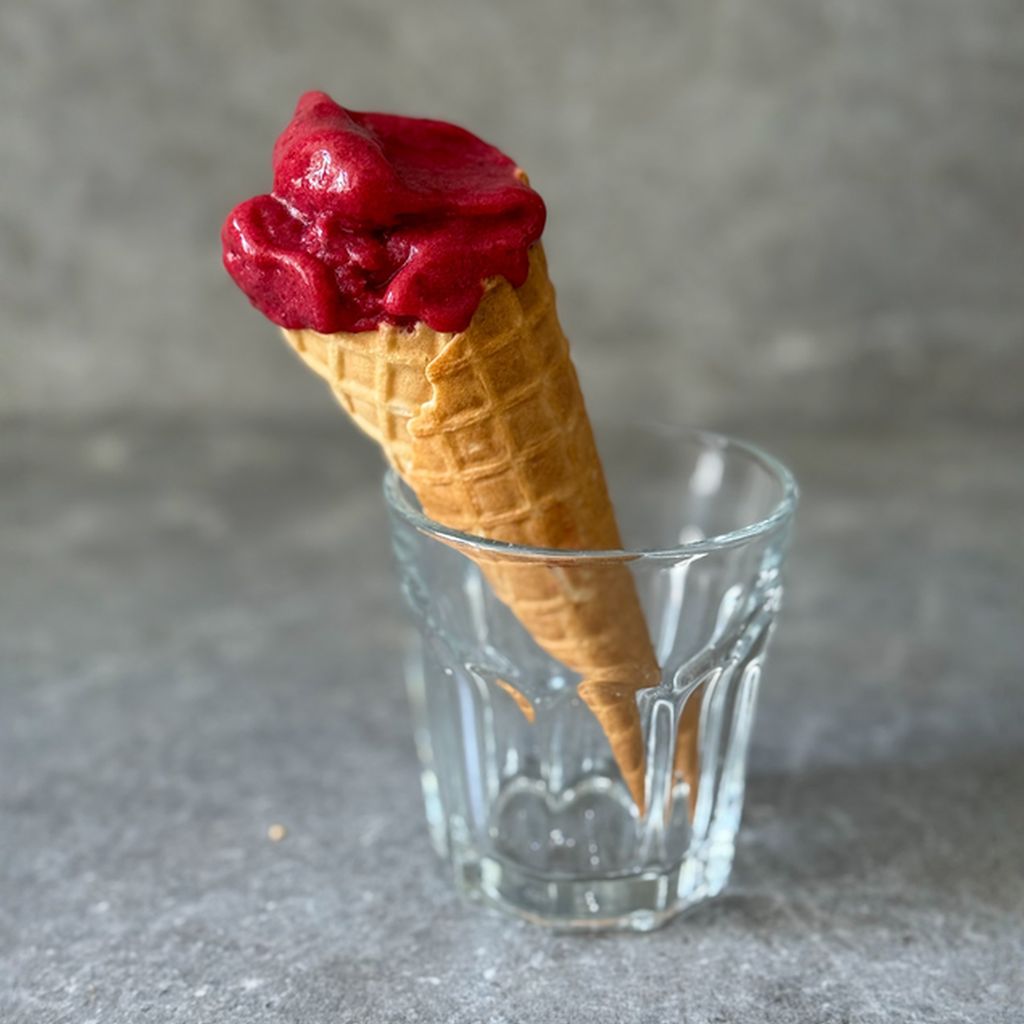
For ice cream and sorbets, add it along with the other liquid ingredients before freezing.

When baking a Bundt cake, sponge, or cookies, mix it into the milk or another liquid ingredient first, then add it to the batter.

For yeasted dough, work it in near the end of kneading — it helps create a softer, more elastic structure.

Storage

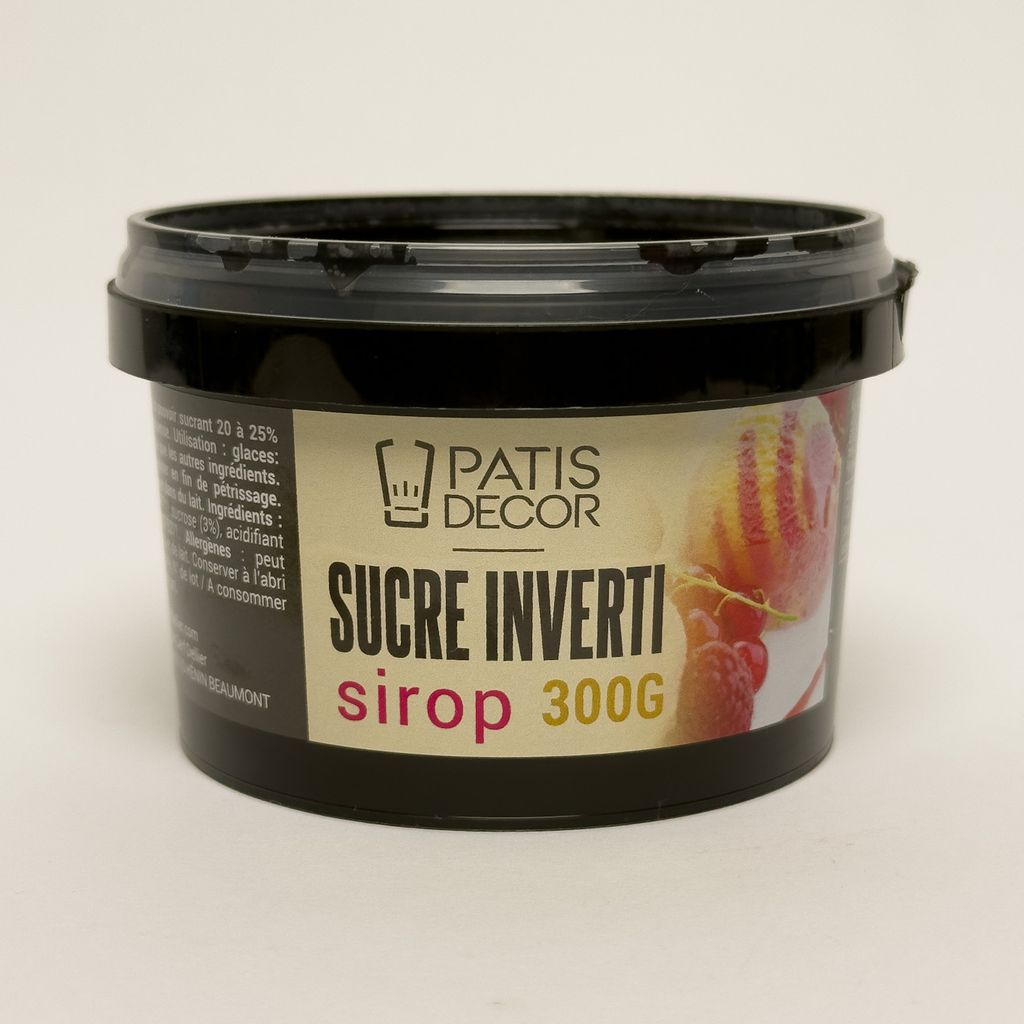
The invert syrup comes in a resealable jar weighing 300 g. Store it dry at room temperature and seal the lid tightly after every use. This keeps its texture and quality intact for a long time. Always scoop it out with a clean spoon, and it'll keep well throughout its shelf life. A white sediment may form — simply stir it in or warm it gently.

null

Liquid Invert Sugar for Baking

Kč 169.00

In stock

The ingredient professionals reach for to keep their bakes softer longer and their ice cream creamy, with no ice crystals in sight

Macarons that turn into brittle shells within two days. A Bundt cake that dries out at the center before you've even finished it. Homemade ice cream you can't scoop straight from the freezer because it's crunchy with ice crystals. These small kitchen defeats don't share a common technique — they share one missing ingredient. Liquid invert sugar is made by splitting ordinary sugar into glucose and fructose, and that's exactly what lets it do what sugar from the sugar bowl can't: it locks in moisture where you need it and won't let it escape. It's the quiet helper you never see listed in professional pastry chefs' recipes, but you'll recognize it in the result — in pastries that stay soft, and creams that come out silky smooth.

0 products added