- Season
- Year-round (harvest late August–October)
- Price
- Medium
- Nutrition per 100 g
- 569 kcal
- 21 g protein
- 45.8 g fat
- 27.6 g carbs
Pistachios (salted)
Nuts and dried fruit
Pistachios (salted)
Salted pistachios are the roasted, salt-seasoned seeds of Pistacia vera, a deciduous tree native to Central Asia and the Middle East. Technically a drupe rather than a true nut, the pistachio kernel is encased in a hard, naturally splitting shell that reveals a vibrant green-to-yellow seed prized for its distinctive flavor and satisfying crunch.
In practice
How to store
- On the counter
Up to 2 weeks in an airtight container in a cool, dry location away from direct sunlight and heat sources
- In the fridge
Up to 6–12 months in a sealed container or resealable bag; refrigeration slows lipid oxidation and preserves freshness
- In the freezer
Up to about 1 year; freeze in airtight containers or vacuum-sealed bags. Thaw at room temperature before serving to restore crunch
How to choose
Seek pistachios with naturally split shells—a sign of full maturity and easier shelling. The kernels should display vibrant green coloration with hints of purple-red skin; kernel colour depends mainly on variety and harvest timing, with the greenest kernels coming from early-harvested nuts. Avoid nuts with closed shells (mechanically opened shells suggest immaturity), any musty or rancid odours, or any sign of mould. Quality salted pistachios should have visible salt crystals clinging to the shell exterior. For premium quality, look for larger nuts with uniform size and intact shells free of cracks or discoloration.
What to swap in
Best swap
Cashews—offer similar buttery richness and creamy texture; toast and salt lightly to approximate the pistachio experience
In a pinch
Blanched almonds or pine nuts—almonds provide comparable crunch and mild sweetness, while pine nuts echo the resinous, earthy notes; neither replicates the distinctive green color
Preparation
For snacking, salted pistachios are ready to enjoy straight from the bag. For culinary applications, shell and roughly chop for textural contrast in salads and grain bowls, or pulse in a food processor for pistachio dust to coat proteins or rim cocktail glasses. Toast shelled kernels in a dry skillet over medium heat for 3–4 minutes to intensify their flavor before incorporating into recipes. For baking, reduce or omit added salt in recipes to compensate for the seasoning already present.
Don't toss it
Save pistachio shells for crafting (mosaics, jewelry, or holiday ornaments) or as fire kindling. Soaked and rinsed well to remove the salt, they can also be used as garden mulch or added to the bottom of plant pots for drainage. The papery red-purple skins that cling to kernels are edible and contain anthocyanin pigments—embrace them rather than discarding.
In the kitchen
Cooking
Salted pistachios shine as a finishing element rather than a cooking ingredient—their salt content and delicate oils can become overpowering or turn rancid under prolonged heat. Crush and scatter over roasted vegetables, fold into pasta dishes just before serving, or incorporate into no-bake desserts like energy balls and semifreddo. For baked goods, add during the final minutes of baking or as a topping. Blitz into pistachio butter or praline for sauces and spreads. The nuts pair beautifully in Middle Eastern preparations like baklava, halva, and ma'amoul, as well as in Italian gelato, mortadella, and pesto variations.
Goes well with
- Citrus (lemon, orange, blood orange)
- Rose water and cardamom
- Dark chocolate and white chocolate
- Honey and saffron
- Stone fruits (apricots, cherries, peaches)
- Soft cheeses (goat cheese, ricotta, burrata)
- Lamb and duck
- Dried fruits (raisins, cranberries, dates)
- Olive oil and aged balsamic
- Vanilla and almond extract
Recipes with this ingredient
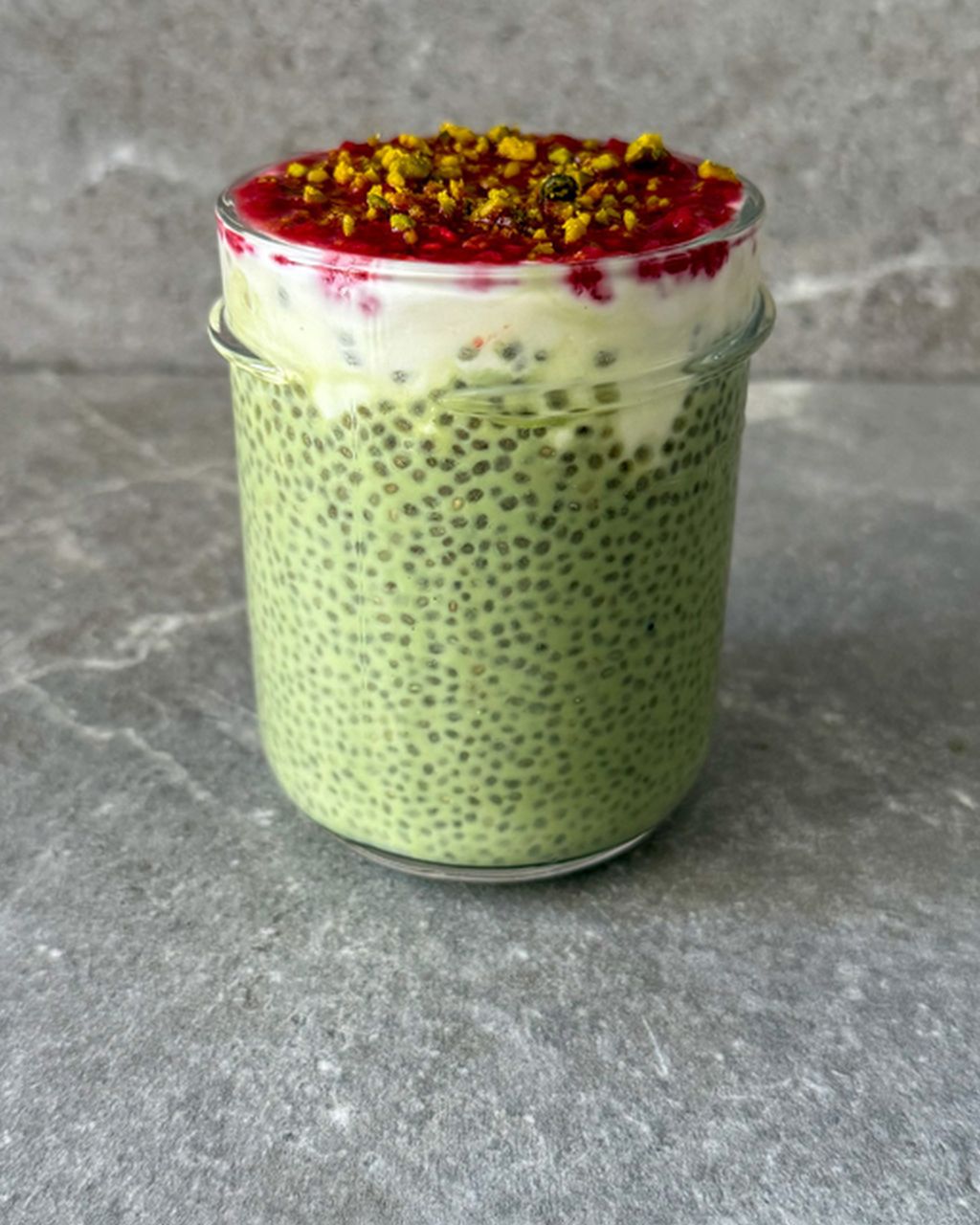
What it is
Salted pistachios are the roasted, salt-seasoned seeds of Pistacia vera, a deciduous tree native to Central Asia and the Middle East. Technically a drupe rather than a true nut, the pistachio kernel is encased in a hard, naturally splitting shell that reveals a vibrant green-to-yellow seed prized for its distinctive flavor and satisfying crunch.
How it tastes
Salted pistachios deliver a multilayered taste experience: an initial buttery, subtly sweet nuttiness gives way to earthy, resinous undertones reminiscent of pine forests, while the roasting process amplifies toasted, caramelized notes through the Maillard reaction. The salt crystals punctuate each bite with bright, savory contrast, enhancing the nut's inherent richness and creating an addictive interplay between sweet, earthy, and saline.
Did that help? We’ll send you more tips by email.
Seasonal baking plans, tested recipes and kitchen tricks that save you time. Unsubscribe in one click.
Common questions
How much salt do salted pistachios contain?
Why are some pistachios naturally open and others closed?
How can I tell if pistachios have gone rancid?
Can I use salted pistachios in baking?
What's the difference between Iranian and California pistachios?
Deep dive
5 min read
Varieties
The pistachio world divides broadly by origin: Kerman dominates California production—large, uniformly shaped nuts with mild sweetness and excellent snap, developed from Iranian stock in the 1950s. Iranian varieties (Akbari, Ahmad Aghaei, Fandoghi) are prized for their intense, complex flavor and smaller, elongated kernels with deep green coloration. Turkish Antep pistachios offer robust, slightly more resinous notes and are favored in baklava. The legendary Bronte pistachios from Sicily's volcanic slopes near Mount Etna carry DOP protection and command premium prices for their extraordinary emerald-green color and concentrated, almost sweet flavor—the result of mineral-rich volcanic soil and a unique microclimate. Newer California cultivars like Golden Hills and Lost Hills are gaining ground for their earlier harvest and higher yields.
History
The pistachio's story stretches back nearly 9,000 years, with archaeological evidence of consumption dating to around 6750 BCE at Jarmo in present-day northern Iraq. Native to the arid highlands of Central Asia—modern Iran, Afghanistan, and Turkmenistan—the nut held sacred status in ancient Persia, where it was considered a symbol of prosperity and fertility. Legend holds that the Queen of Sheba claimed all of her kingdom's pistachio harvest exclusively for the royal court. The nut traveled westward through Alexander the Great's conquests, reaching Greece by 300 BCE, then Rome under Emperor Tiberius in the first century AD, when the proconsul Lucius Vitellius introduced it from Syria. Arab traders spread cultivation throughout the Mediterranean during the Islamic Golden Age, eventually bringing pistachios to Sicily after the Arab conquest of the island began in 827 AD. The American chapter began in 1854 when Charles Mason introduced the tree to California as an ornamental, but commercial cultivation didn't take root until botanist William Whitehouse returned from Iran in 1929 with seed from which the Kerman cultivar was later selected; the first commercial harvest came only in the 1970s. Today, the United States is the world's largest producer, well ahead of Iran and Turkey, with California's Central Valley yielding over 99% of domestic production.
Science
The pistachio's captivating flavor chemistry centers on its terpene profile—alpha-pinene is usually the dominant volatile compound, though its reported share varies widely between studies, cultivars and parts of the nut. It delivers the characteristic woody, piney, resinous aroma evocative of Mediterranean forests. Beta-pinene contributes fresh, minty nuances, while 3-carene adds sweet, pungent depth. Roasting transforms the nut through the Maillard reaction, generating pyrazines and furans that create toasted, caramelized complexity and deepen the golden-brown color. The process also triggers controlled lipid oxidation, which paradoxically enhances flavor while shortening shelf life. The distinctive green-to-yellow gradient of the kernel comes from chlorophyll (green) and lutein/zeaxanthin carotenoids (yellow), with the purple-red skin containing anthocyanins—specifically cyanidin-3-O-galactoside and cyanidin-3-O-glucoside. The natural shell-splitting phenomenon, called dehiscence, occurs as the kernel fills and expands during ripening, several weeks before harvest. Pistachios' high monounsaturated fat content (primarily oleic acid, roughly 50–70% of the fatty acids depending on cultivar) resembles, though does not match, olive oil's lipid profile and contributes to their creamy mouthfeel.
Sourcing and ethics
Pistachios present a nuanced sustainability picture. On the positive side, they require somewhat less water than almonds per kilogram of edible nut and tolerate saltier irrigation water, while the trees are drought-tolerant once established. American growers have improved water efficiency considerably. However, pistachio cultivation remains water-intensive in absolute terms, raising concerns in drought-prone California. The industry has responded with drip irrigation, recycled water programs, and habitat conservation initiatives on orchard lands. For ethical sourcing, seek Italian DOP Bronte pistachios, which support traditional small-scale farming, EU-grown pistachios from Greece or Spain, or Fair Trade certified options when available. Iranian pistachios, while often superior in flavour, are subject to heightened EU border checks for aflatoxin contamination. EU organic certification (the green leaf logo) prohibits almost all synthetic pesticides, though conventional pistachios generally have low pesticide residue levels.