- Season
- Sold all year. The traditional quince version is made in autumn, when quinces ripen.
- Price
- Medium
- Nutrition per 100 g
- 277 kcal
- 0.2 g protein
- 0 g fat
- 65.5 g carbs
Fruit Paste
Baking ingredients
Fruit Paste
In Czech shops, ovocná pasta is a thick, sliceable paste of fruit cooked with sugar. It is sold in small packs or tubs, usually about 120 g, and is served with cheese.
In practice
How to store
- On the counter
Keep unopened packs in a cool, dry pantry, away from heat and direct sun, until the best-before date unless the label says otherwise. Once opened, do not keep it at room temperature for long periods.
- In the fridge
After opening, cover tightly or rewrap, and keep in the fridge. Follow the maker's limit. One retailer states up to six weeks for its paste. Throw it away if you see mould or smell fermentation.
- In the freezer
Freezing is possible but rarely needed. Wrap portions tightly and thaw in the fridge. The texture may turn slightly weepy after thawing.
How to choose
Read the ingredient list (složení). Fruit should come first, and the label should name which fruit and what share of the product it makes up. Pastes that are mostly sugar and glucose syrup with a little fruit taste flat. Look for a firm, glossy block or a thick paste with no liquid separating out and no crystallised crust. Check the best-before date (minimální trvanlivost) and the storage instructions after opening, which vary between brands. Some versions contain added vinegar, spices or nuts. Check the allergen information if nuts are a concern.
What to swap in
Best swap
Spanish quince paste (membrillo) or another firm fruit cheese for cheese boards.
In a pinch
A thick fruit jam, plum butter (povidla) or fig jam. These give a similar sweet contrast but do not slice.
Preparation
Serve chilled or at cool room temperature so it slices cleanly. Cut it into thin slices or small cubes with a knife dipped in hot water, or spoon it onto the plate if it is a softer paste. Put it next to cheese rather than on top, so each bite can be balanced. To use it in cooking, cut it into small pieces and melt it gently with a splash of water, wine or vinegar to make a glaze or sauce.
Don't toss it
Melt leftover ends with a little water or lemon juice and brush them over fruit tarts, roast meat or a baked cheese. You can also stir them into a salad dressing.
In the kitchen
Cooking
Mostly served uncooked as part of a cheese board or snack plate. When cooked, it is melted into glazes for pork, duck or game, stirred into pan sauces, spread thinly inside baked cheese or puff-pastry parcels, or used as a filling in small pastries. Heat it gently, because the high sugar content scorches easily.
Goes well with
- Aged Hard Cheeses
- Blue Cheese
- Goat's Cheese
- Brie And Camembert-Type Cheeses
- Walnuts
- Almonds
- Crackers
- Sourdough Bread
- Cured Ham
- Port And Sweet Wines
What it is
In Czech shops, ovocná pasta is a thick, sliceable paste of fruit cooked with sugar. It is sold in small packs or tubs, usually about 120 g, and is served with cheese. A typical example is a quince and pear paste or a fig and apple paste placed next to cheese on a cheese board. The fruit is cooked down with sugar until it sets firmly enough to cut with a knife. This sets it apart from jam (džem), Czech plum butter (povidla) and the fruit purée pouches (ovocné kapsičky) sold for children. In Czech retail it is mostly a delicatessen product. Much of it is imported, for example under the Marks & Spencer brand on Rohlík. It belongs to the same family as Spanish membrillo (quince paste).
How it tastes
Concentrated, sweet fruit flavour with a clear acidity. Quince versions taste floral and slightly honeyed, with a faint astringency. Pear softens the flavour. Fig and apple versions are deeper and jammier, and are sometimes sharpened with balsamic vinegar. The texture is dense and smooth. It cuts cleanly and melts slowly in the mouth.
Common questions
What is ovocná pasta in Czech shops?
Is ovocná pasta the same as jam or povidla?
Is it the same as fruit pouches for children?
How long does it keep after opening?
Which cheeses go best with it?
Deep dive
2 min read
Varieties
Quince paste.
The classic version is made from quince (kdoule), which is naturally rich in pectin and sets firmly. It turns amber to deep red as it cooks.
Quince and pear.
Pear softens the astringency of quince and gives a milder, rounder flavour. This is one of the versions sold in Czech online grocery stores.
Fig and apple.
A darker, jammier paste. It is sometimes made with balsamic vinegar for acidity and is often paired with blue and hard cheeses.
Other fruit.
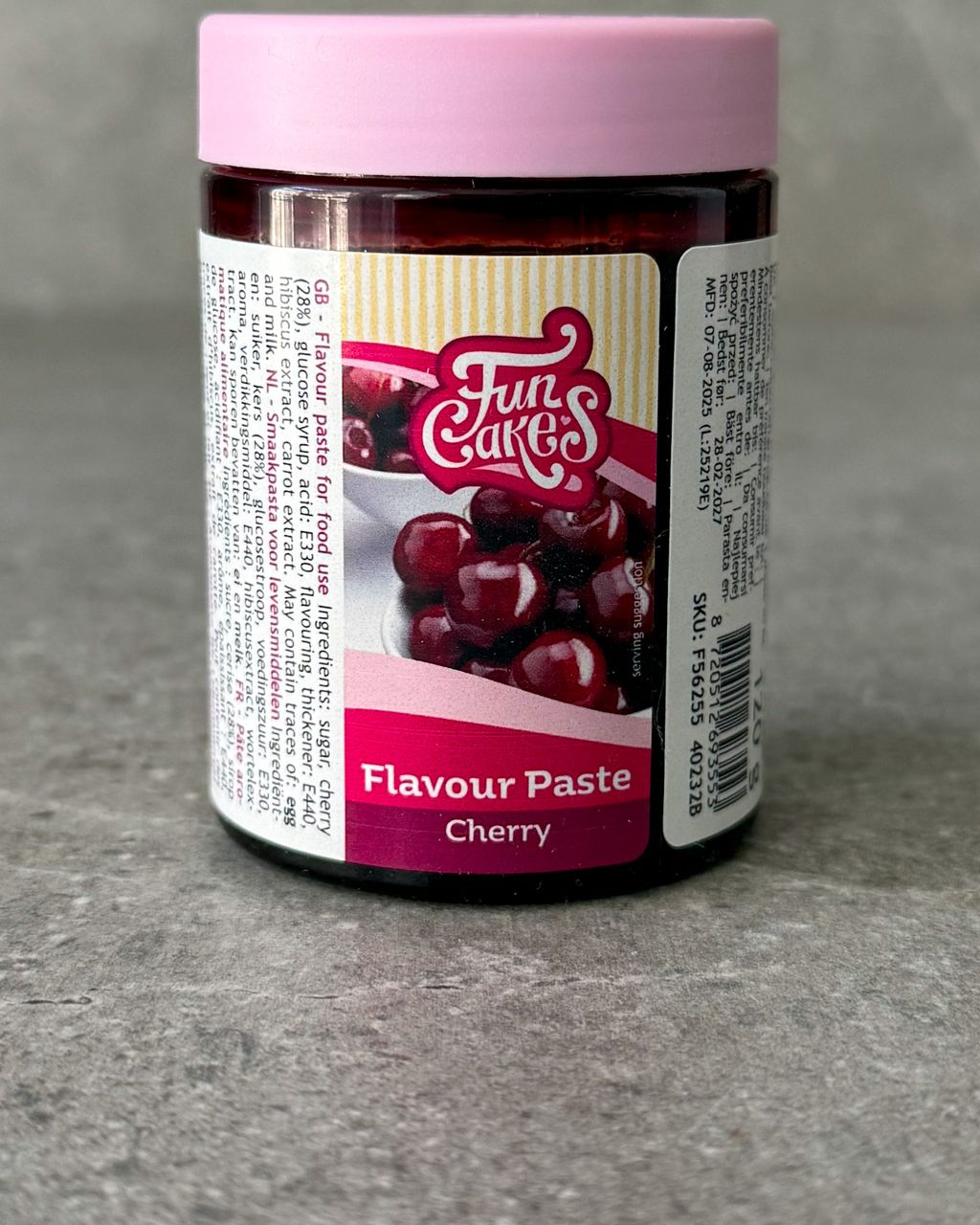
Some makers sell pastes from plum, apricot, cherry or berries, often mixed with apple for its pectin.
Related but different products.
Spanish membrillo and Portuguese marmelada are close relatives sold as firm blocks. Czech plum butter (povidla), jam (džem) and children's fruit purée pouches (kapsičky) are different products. They are softer and are not meant to be sliced.
History
Cooking fruit with sugar or honey until it set firmly was a common way to preserve it in Europe. Quince was especially suitable because it sets so well. Serving these pastes with cheese is best known from Spain and Portugal. In Czech shops today, ovocná pasta is mainly a delicatessen item sold alongside cheese, much of it imported. Czech sources say little about a separate domestic tradition of this exact product.
Science
The paste sets because of pectin, a fibre found naturally in fruit. Quince and apple contain a lot of it. When fruit is boiled with sugar, water evaporates and the sugar concentration rises. Pectin chains then bond with each other, helped by the fruit's acidity, and form a gel that holds water and sugar. Longer cooking produces a firmer, darker paste, as sugars caramelise and quince pigments change from pale to amber-red. The high sugar content and low available water slow microbial growth, which is why the paste keeps well. Once opened, it can still go mouldy, so it needs chilling.
Sourcing and ethics
Many fruit pastes sold in Czech shops are imported, so their food miles are higher than for local preserves. The label does not always state the country of origin, so check whether the maker gives it. Quince, pear, apple and plum all grow in Czech gardens and orchards, so a home-made paste from local or windfall fruit is a low-impact alternative. Check that the label gives the fruit content and lists the allergens.